What is the best moment to teach children to ski?
26 November 2024
Adviсe
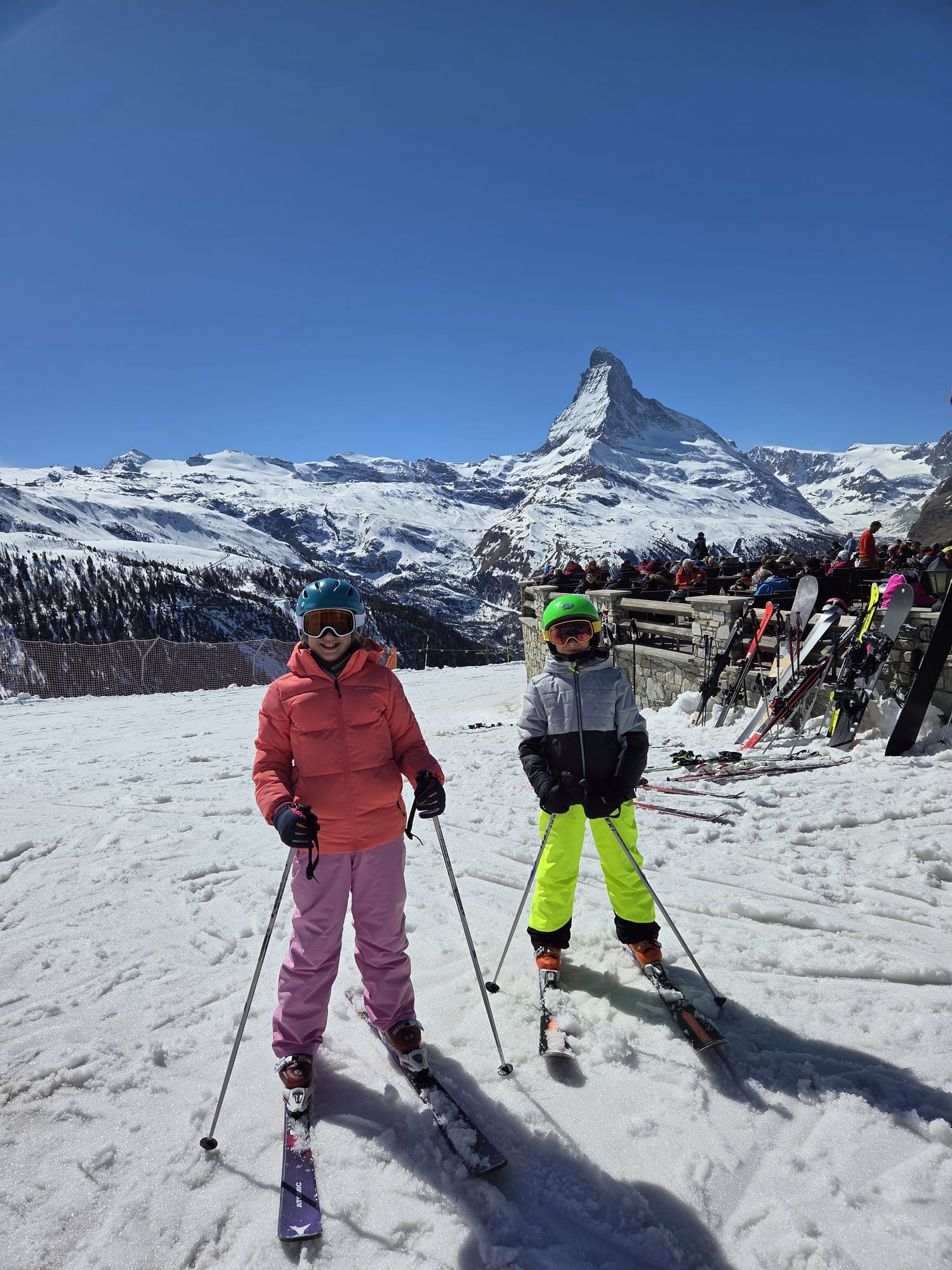
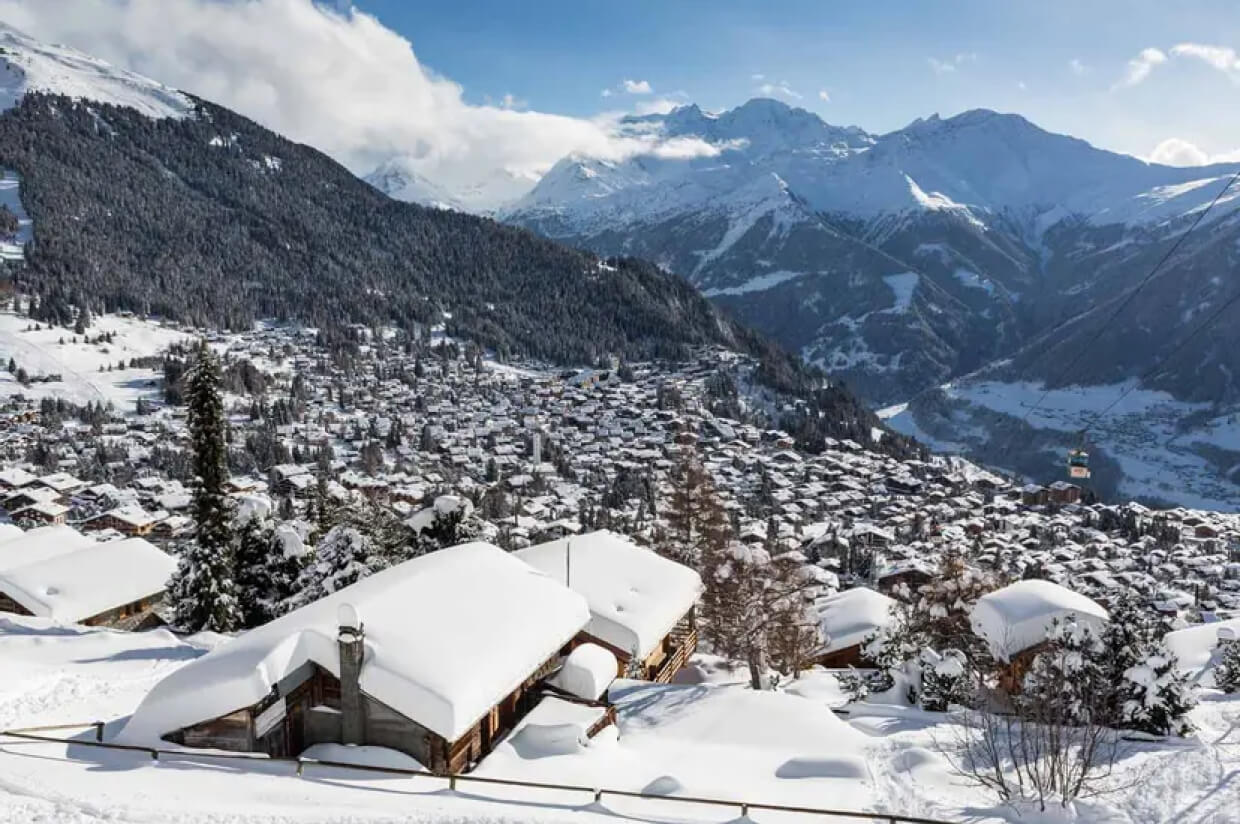
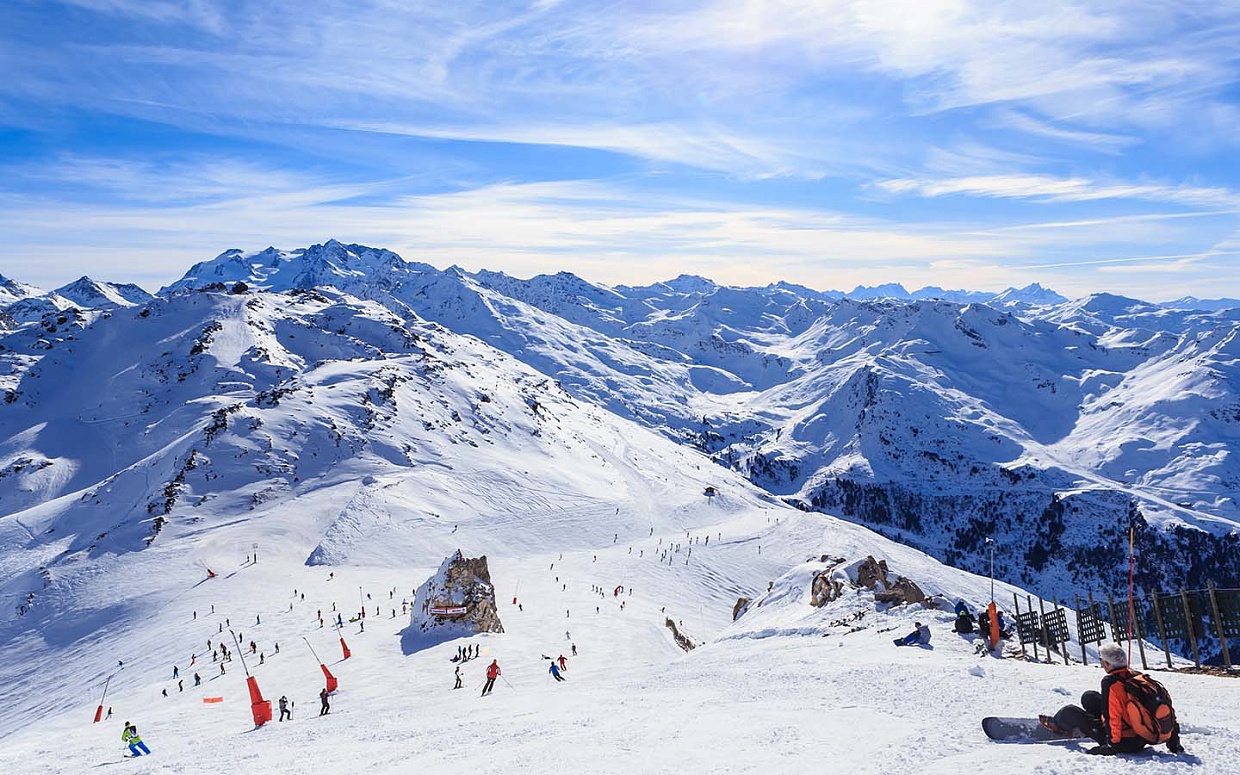
Planning a family ski holiday transcends mere logistics; it is an exercise in crafting cherished memories. For the discerning traveler, the selection of the resort and chalet is paramount. Prioritize Alpine destinations renowned for their superior infrastructure, diverse leisure offerings, and interconnected ski domains that allow the family to convene seamlessly, ensuring both shared moments and individual pursuits are honored.
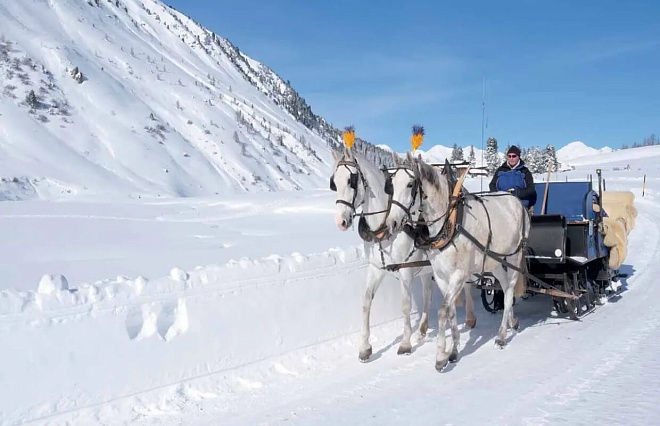
When introducing children to the slopes, your choice of serviced chalet is crucial. Opt for properties offering true ski-in/ski-out access or proximity to gentle beginner areas. During peak season, we advise securing a private, child-specialist instructor fluent in your preferred language well in advance. Curate a harmonious daily rhythm, balancing structured lessons—be it morning or afternoon—with a portfolio of enticing familial pursuits: from horse-drawn sleigh rides and snowshoeing to visits to a curated museum or a decadent hot chocolate stop.
Preparation is the hallmark of a sophisticated traveler. Gentle pre-season conditioning and flexibility exercises are advisable. To spark inspiration, share captivating films of graceful Alpine descents with your children.
To guide this initiation, we have distilled wisdom from elite children's ski schools across the European Alps.
When introducing children to the slopes, your choice of serviced chalet is crucial. Opt for properties offering true ski-in/ski-out access or proximity to gentle beginner areas. During peak season, we advise securing a private, child-specialist instructor fluent in your preferred language well in advance. Curate a harmonious daily rhythm, balancing structured lessons—be it morning or afternoon—with a portfolio of enticing familial pursuits: from horse-drawn sleigh rides and snowshoeing to visits to a curated museum or a decadent hot chocolate stop.
Preparation is the hallmark of a sophisticated traveler. Gentle pre-season conditioning and flexibility exercises are advisable. To spark inspiration, share captivating films of graceful Alpine descents with your children.
To guide this initiation, we have distilled wisdom from elite children's ski schools across the European Alps.
1. Assess Individual Readiness
Children reveal their aptitudes early. While parents can intuit a toddler's curiosity, formal instruction in most prestigious European ski schools begins around age three. The true prerequisites are physical resilience and the emotional maturity to engage with an instructor. As young minds crave variety, all pedagogy is ingeniously woven into play. The acknowledged optimal starting age is 6-8 years, when learning becomes more conscious and progression notably swifter.2. Invest in Superior Kit
Appropriate equipment is the non-negotiable foundation of success. Prioritize a high-performance, moisture-wicking ski suit that ensures thermoregulation—critical for active learners who will frequently fall. Mittens are superior to gloves for warmth. Select skis 15-20cm shorter than the child's height; oversized skis hinder control and accelerate fatigue. Opt for boots with soft flex and bindings with a gentle release mechanism. Goggles are essential even on overcast days to mitigate glare from the snow. Poles are unnecessary for first lessons; your instructor will advise on their introduction. For growing children, premium rental programs offer an excellent alternative.3. The Art of Emotional Preparation & Leading by Example
Children are astute observers. To foster a genuine love for the sport, embody the joy of skiing yourself. Frame the adventure through engaging stories. Consider introducing the equipment and sensation of sliding on a gentle, private slope beforehand. Begin on very mild terrain, avoiding training harnesses that impede the natural development of balance and turning. Embrace the universal instructional lexicon: the snowplow ("pizza") for stopping and parallel skis ("french fries") for gliding. Celebrate every milestone together on the mountain.4. Relinquish Control, Trust the Professional
A seasoned instructor cultivates a unique dynamic of focused discipline without parental anxiety or expectation. Within this space, children often achieve rapid, confident progress. Occasionally, the most supportive act is to discreetly distance yourself, allowing the student-instructor bond to fully form.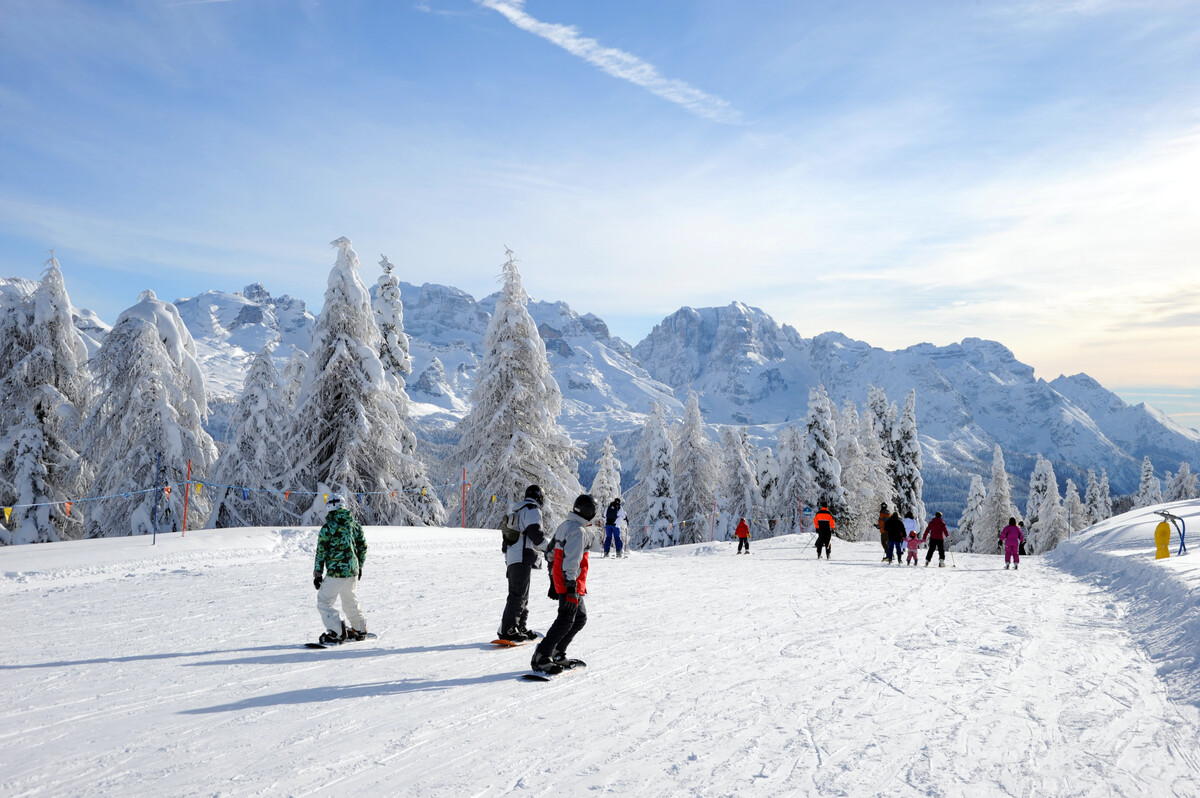
5. Discern the Instructor's Pedagogy
Your choice of instructor should resonate with your child's age and temperament. For children under four, private lessons are strongly recommended. For older, reserved children, a few private sessions can build the foundational confidence needed to thrive later in a peer group. Most school-age children flourish in group settings, where playful camaraderie and gentle competition accelerate learning.6. Mountain Safety & Etiquette
A helmet is mandatory. Instruction must occur only on dedicated, gentle beginner slopes. Avoid crowded runs. Allow your child space to attempt and learn; intervene only after repeated struggles. Ski directly with your child only if you are a highly proficient skier yourself.7. The Principles of Freedom and Gradual Progression
Avoid more than five consecutive days of lessons. Eschew pressure. The child must always retain agency: to ski, skate, sled, draw, or simply relax with a hot chocolate. Information overload, physical strain, and frustration are the adversaries of joy and long-term engagement.8. Master the Graceful Fall
Instill the philosophy that falling is an integral, even amusing, part of the journey. Teach them how to fall safely by tucking in limbs. Before each session, ensure all pockets are emptied of hard objects or candies.9. Release Expectations, Savour the Journey
Forgo champion ambitions. Instead, inspire patient, joyful exploration. Transform drills into games. Every child learns differently; honor their unique path. Remember, skills are transferable; be ready to pivot to other alpine pursuits if fatigue sets in. Celebrate every micro-achievement, for these are the seeds of a lifelong passion for the mountains.Rate this article
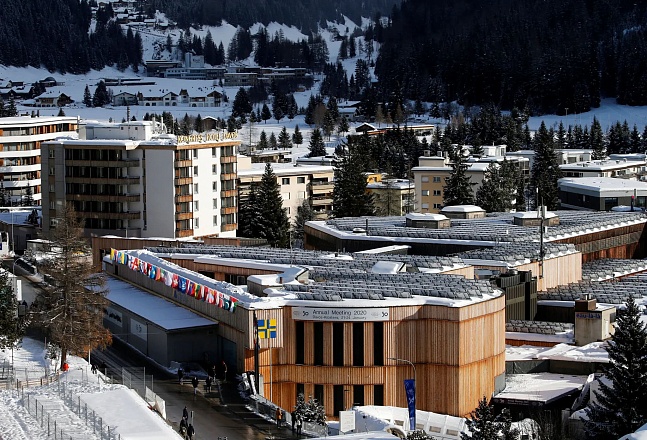 WEF 2027 with Dolce Villa
 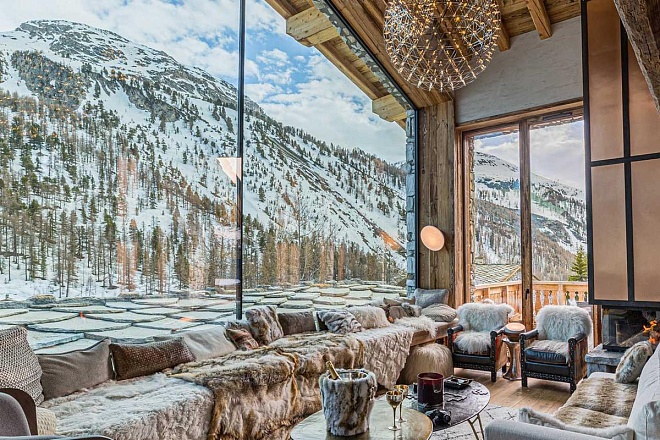 French Alps 2026–2027: Why regulars book their chalet in spring.
  Easter in the Alps: The Discerning Skier’s Secret
  WEF with Dolce Villa: the destination Davos-Klosters
 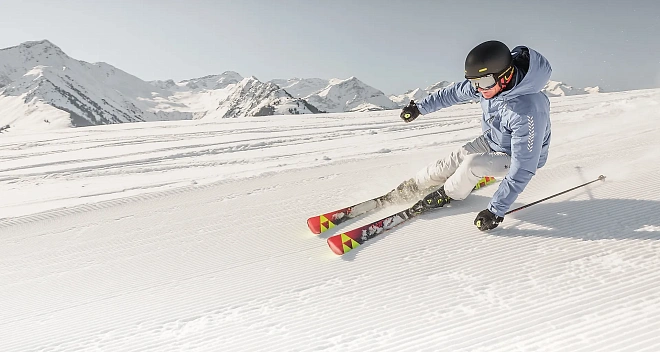 The perfect ski holiday for the whole family
 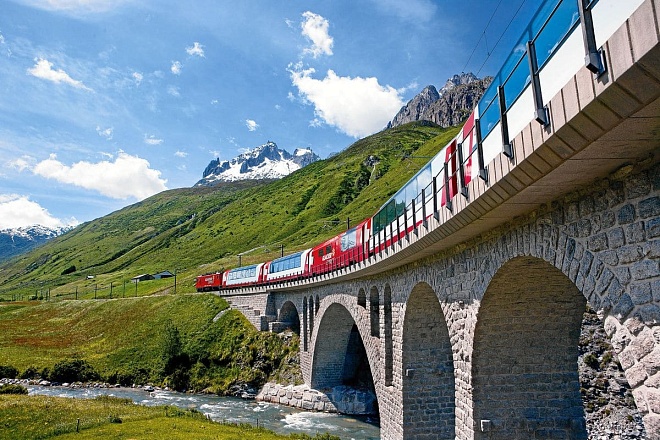 Scenic Train Journeys in the Alps
 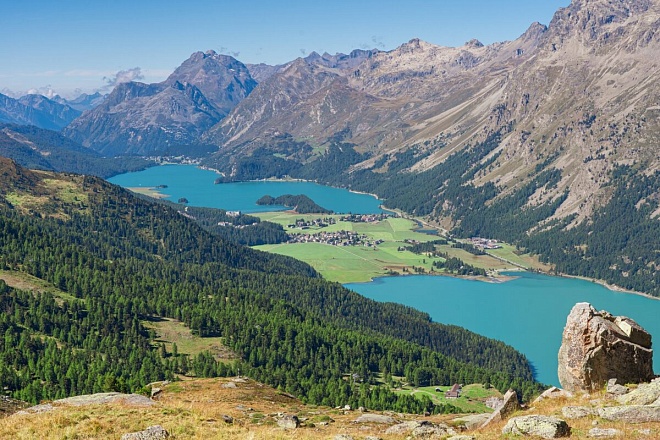 The Romantic Alps - freedom, comfort, diversity
  Heliskiing, Heliboarding and Helicopter Tours in the Alps
 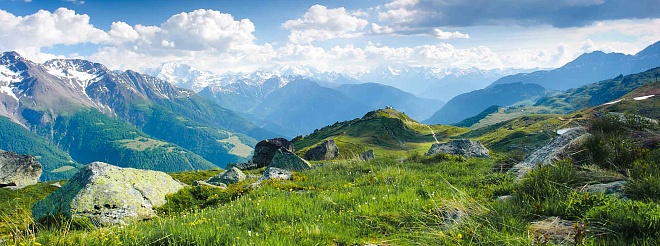 Swiss Alps in Summer: Things to Do
  The advantages of the elite ski resorts
  St. Moritz in winter and summer season